⚔️ Can You Learn French While Playing Ghost of Tsushima?
Learning French through video games is one of the best ways to stay motivated: you play, you explore, and you progress without even noticing.
But not every game is equally useful for language learners. Some are too fast, others too abstract, and some just don’t have enough text.
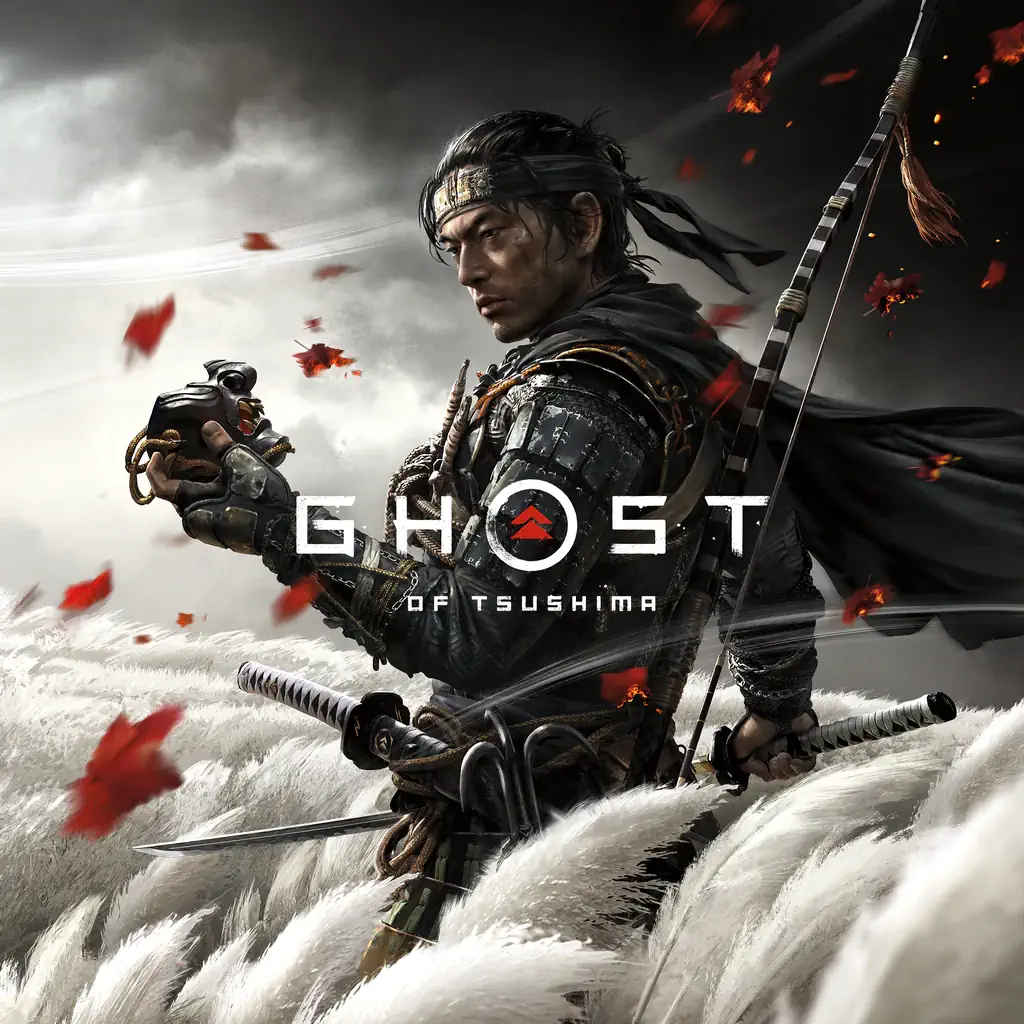
So what about Ghost of Tsushima, the famous PlayStation exclusive where samurai clash with Mongol invaders?
Let’s see whether this beautiful open-world epic can help you improve your French.
🌸 Language Learning Potential
One of the best things about Ghost of Tsushima is how accessible the language is.
The dialogues are formal, slow, and carefully pronounced. No slang, no chaotic background noise. Characters speak with calm, solemn tones that make comprehension much easier, even for learners around B1 level.
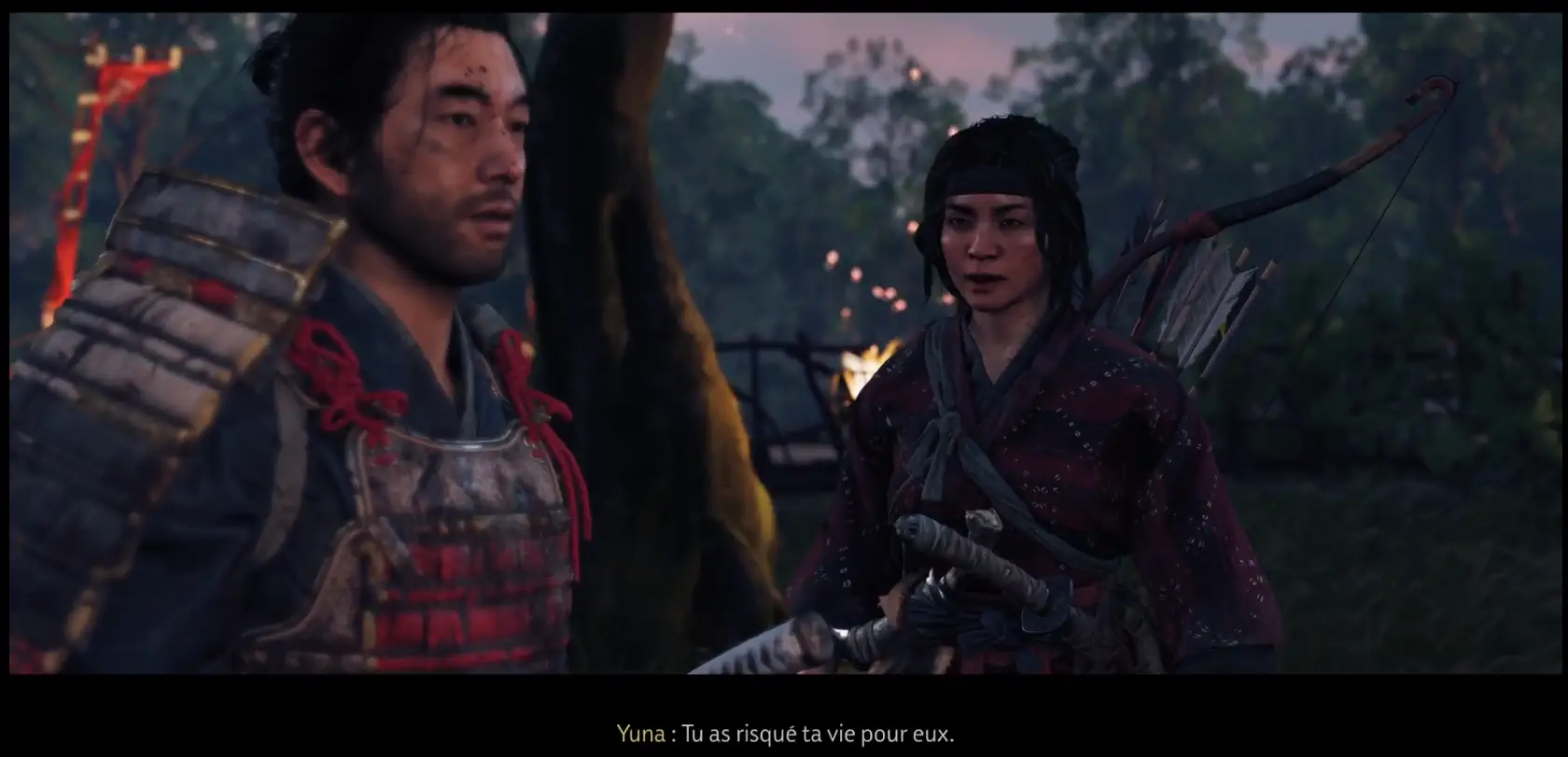
The French audio dubbing is decent. Of course, purists may prefer playing in Japanese for immersion, but the French version is surprisingly good. The voice acting fits the tone of the story, serious and respectful, and it’s great for training your ear.
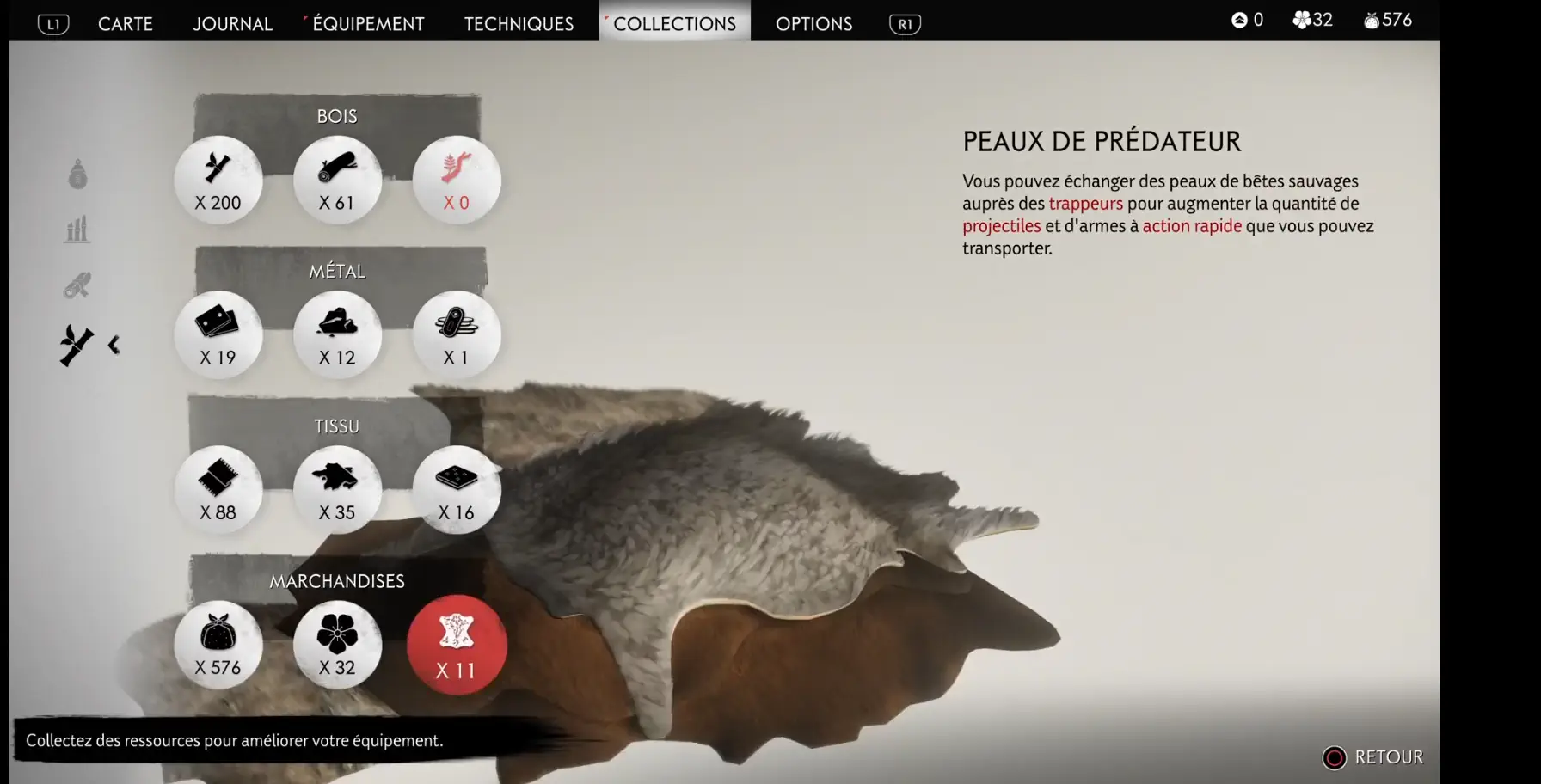
Vocabulary-wise, you’ll find tons of concrete and descriptive language:
materials like soie (silk) and acier (steel), objects related to crafting and exploration, and all the nature terms that come from wandering through forests, marshes, cliffs, and villages.
The geography aspect is particularly interesting. The island of Tsushima is full of distinct landmarks: lighthouses, fields, coasts, swamps, temples, and mountain passes. You constantly need to orient yourself using environmental clues, which naturally exposes you to a wide range of geographical and spatial vocabulary.
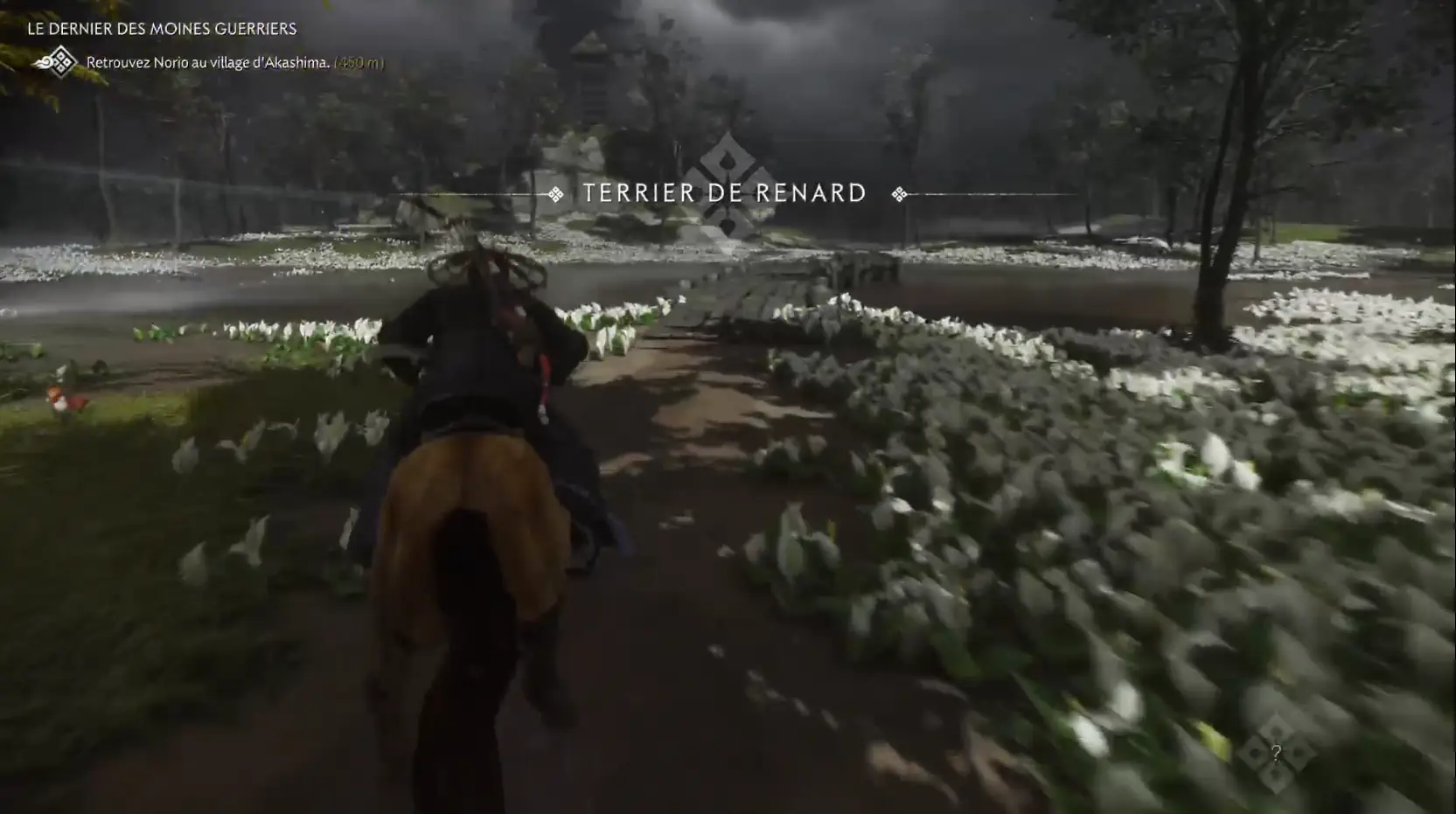
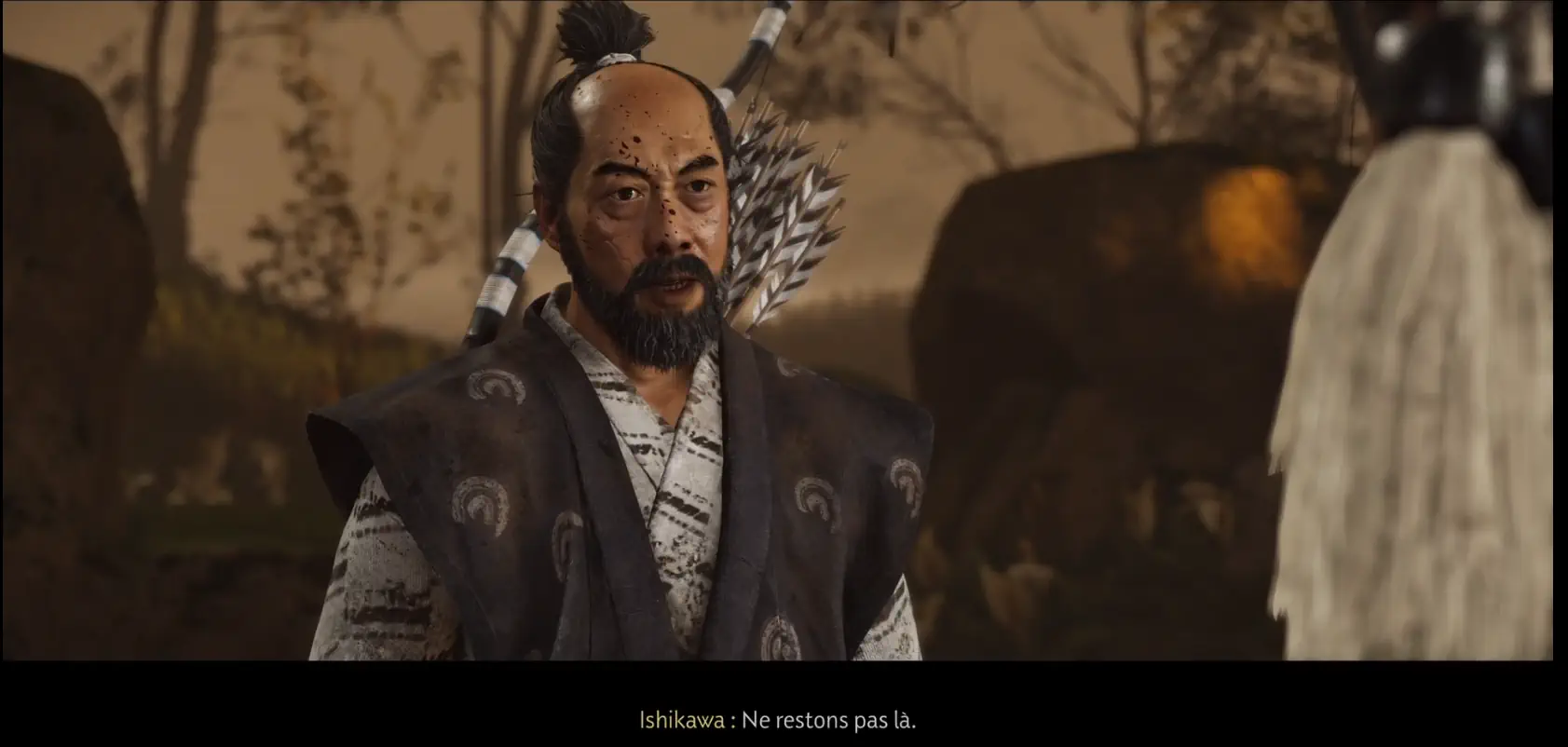
On top of that, the game offers many side quests, each focused on a different secondary character. You’ll meet Ishikawa and his lost student, Misako seeking revenge for her murdered family, and others. These smaller stories bring variety, emotion, and new language situations, a perfect mix for learners.
And finally, there’s a strong cultural dimension. You’ll learn basic Japanese cultural terms like torii, haiku, or naginata. They’re kept untranslated, so you pick them up naturally while playing. It’s not French vocabulary per se, but it adds a nice intercultural layer that makes the whole experience more meaningful.
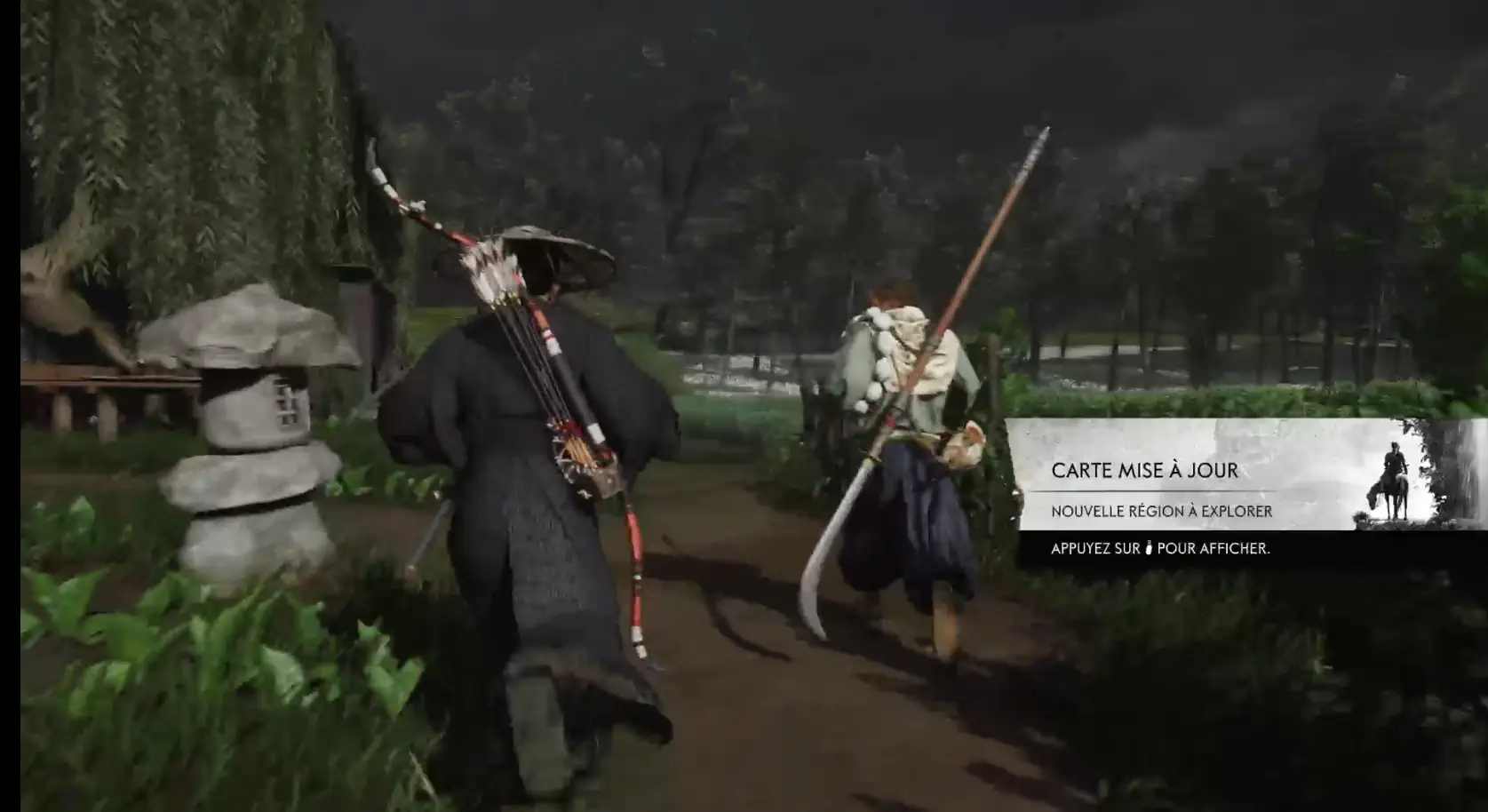
Look at this huge and beautiful naginata
🎮 Gameplay and Fun Factor
If a game isn’t fun, you might as well go back to a grammar book. Luckily, Ghost of Tsushima is pure joy to play.
The gameplay feels fluid, elegant, and precise. Sword fights are satisfying, exploration is smooth, and the world itself feels alive. You can gallop across fields, climb mountains, follow the wind instead of a mini-map, it’s beautiful and immersive.
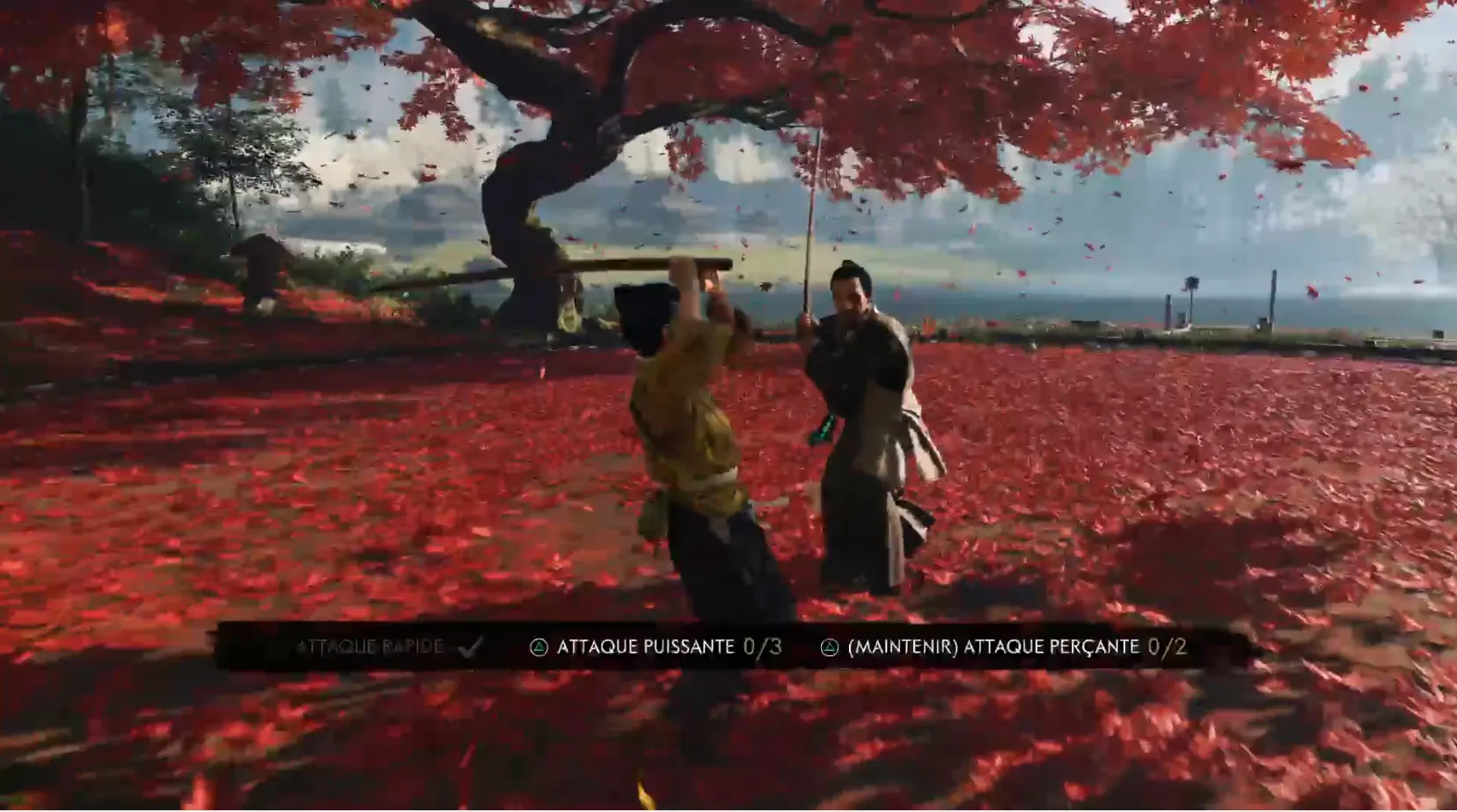
I’ve played about 15 hours so far, and I’m still hooked. The combat system is rewarding, and the rhythm of progression keeps you motivated. Sure, it can feel a bit repetitive at times: sneaking, assassinating, liberating camps. But new enemy types and skills keep things fresh enough to maintain the flow.
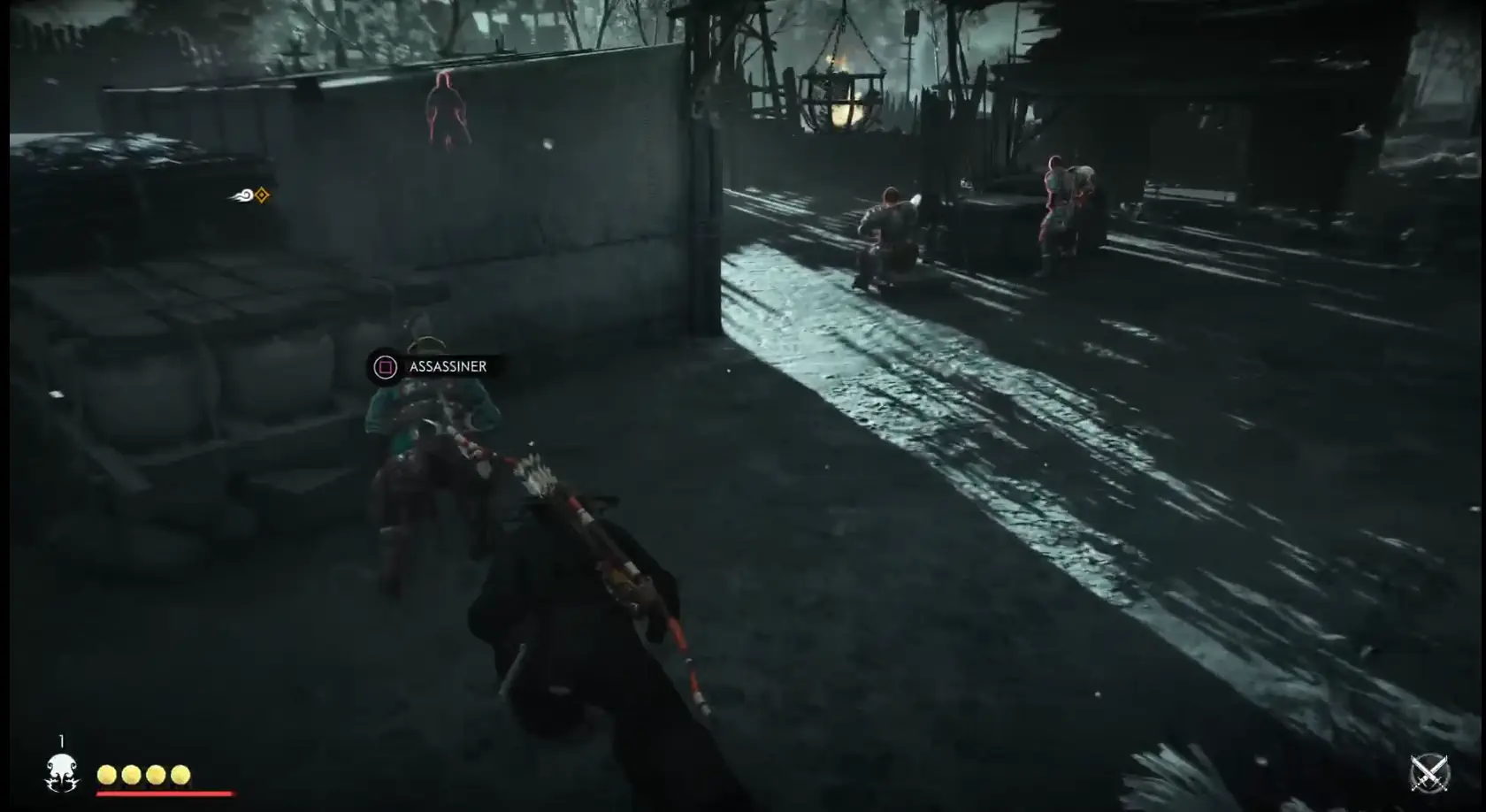
It’s also a great reminder that motivation matters. When you genuinely enjoy what you’re doing, your brain stays open to input. You don’t “study” French, you live it, through every mission, every dialogue, every journal entry.
⚠️ Weak Points
There are very few real flaws, but let’s mention them.
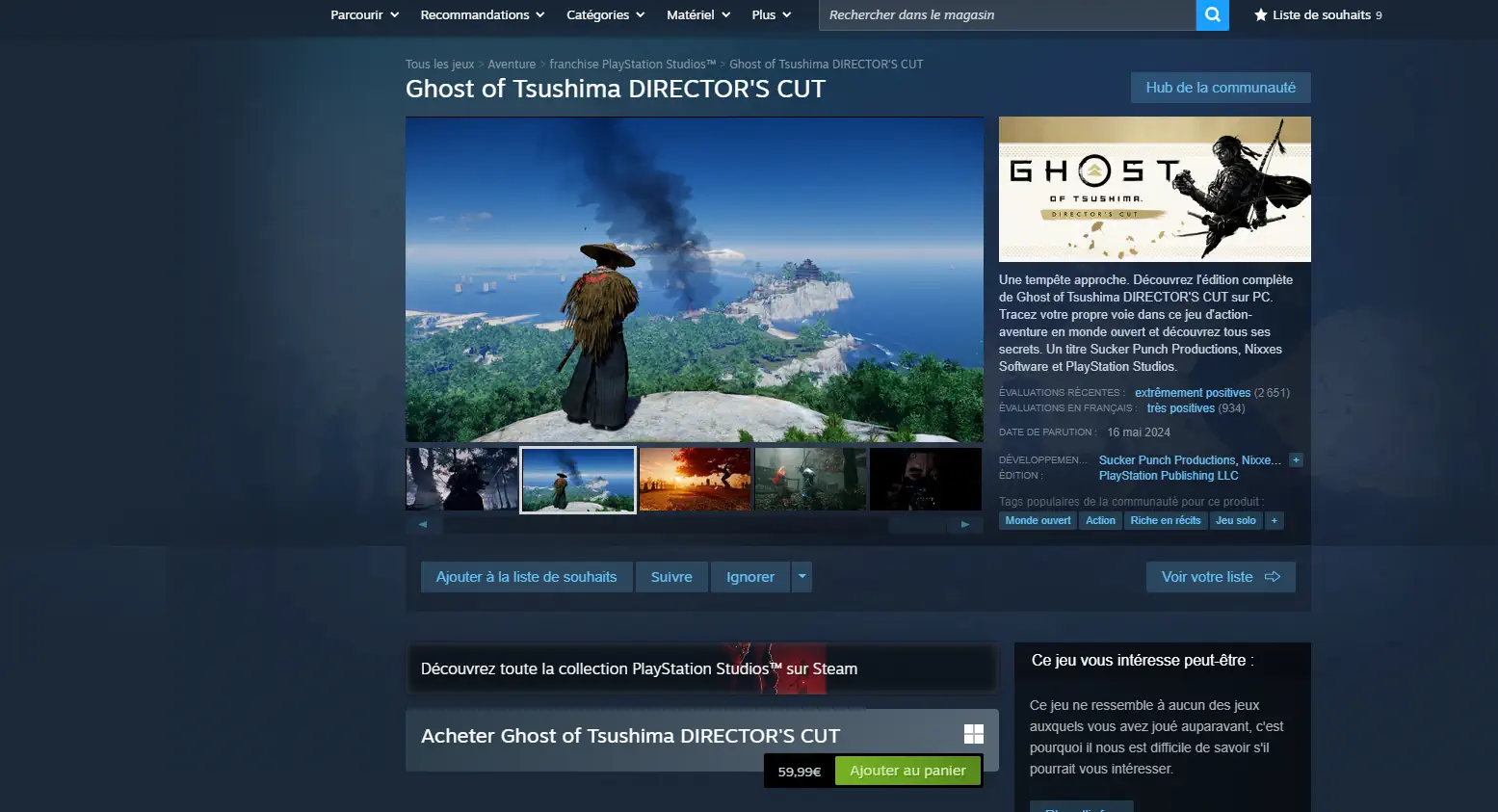
First, it’s a PlayStation exclusive, so Xbox and Switch players can’t enjoy it. Good news for PC players though, the game has been ported on Steam and Epic Games last year!
Second, the enemy AI is… let’s say, generously forgiving. You can sometimes eliminate a guard right next to another, and he won’t even react. They sometimes see you from afar and by staying hidden a few seconds, they totally forget about you. It reduces frustration, sure, but also immersion.
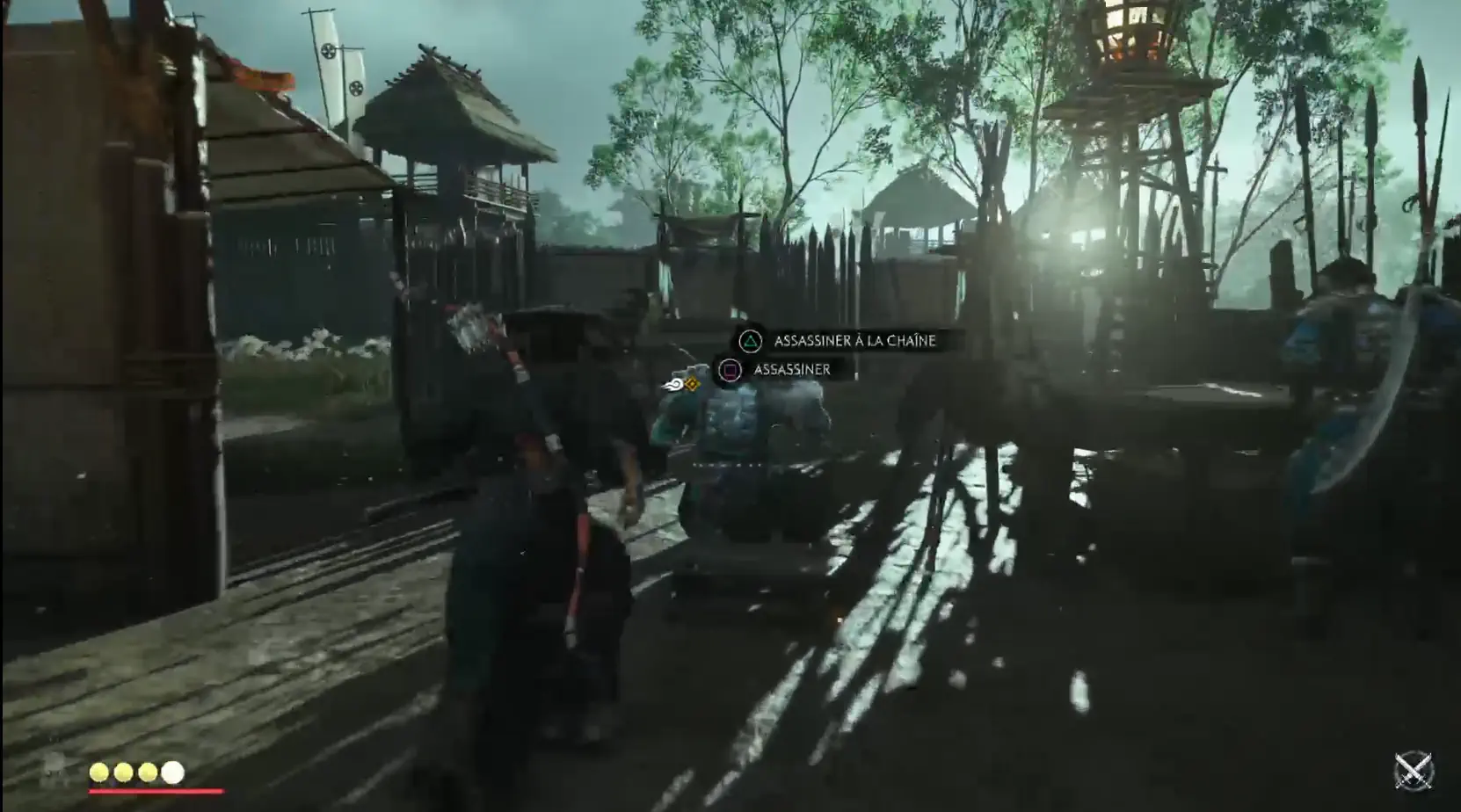
I just shot their friend who was in front of them and they haven’t realized anything
And after a while, the structure of some missions can feel repetitive: stealth, assassination, liberation. But the pacing and variety of side stories make up for it.
Nothing major, really. The game is still a masterpiece.
🏯 Historical Accuracy
Here’s the part that surprised me to some extent: the island of Tsushima does exist for real in the exact same shape as in the game.
The Mongol invasions of Japan really happened, in 1274 and 1281, under Kublai Khan’s Yuan Empire.
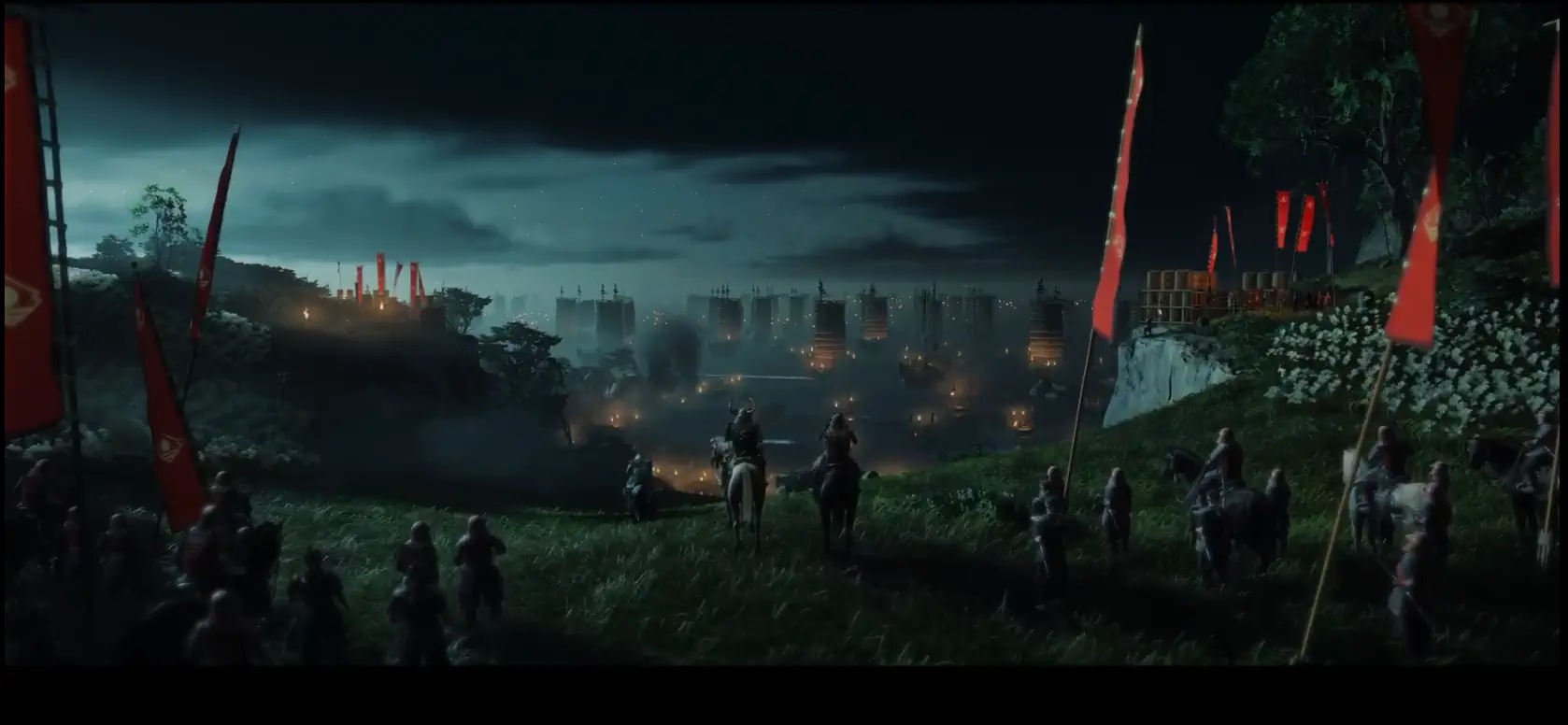
The island of Tsushima was indeed the first target of the Mongols. Thousands of samurai fought to defend it, but the Mongols temporarily conquered the island before being pushed back, partly thanks to a massive typhoon later known as the kamikaze, or “divine wind.”
That’s the historical foundation. The rest - Jin Sakai, Lord Shimura, Khotun Khan - is fiction.
The developers wanted to respect Japanese history without directly portraying real figures, so they built symbolic characters representing the spirit of the era: loyalty, honor, duty, and resistance.
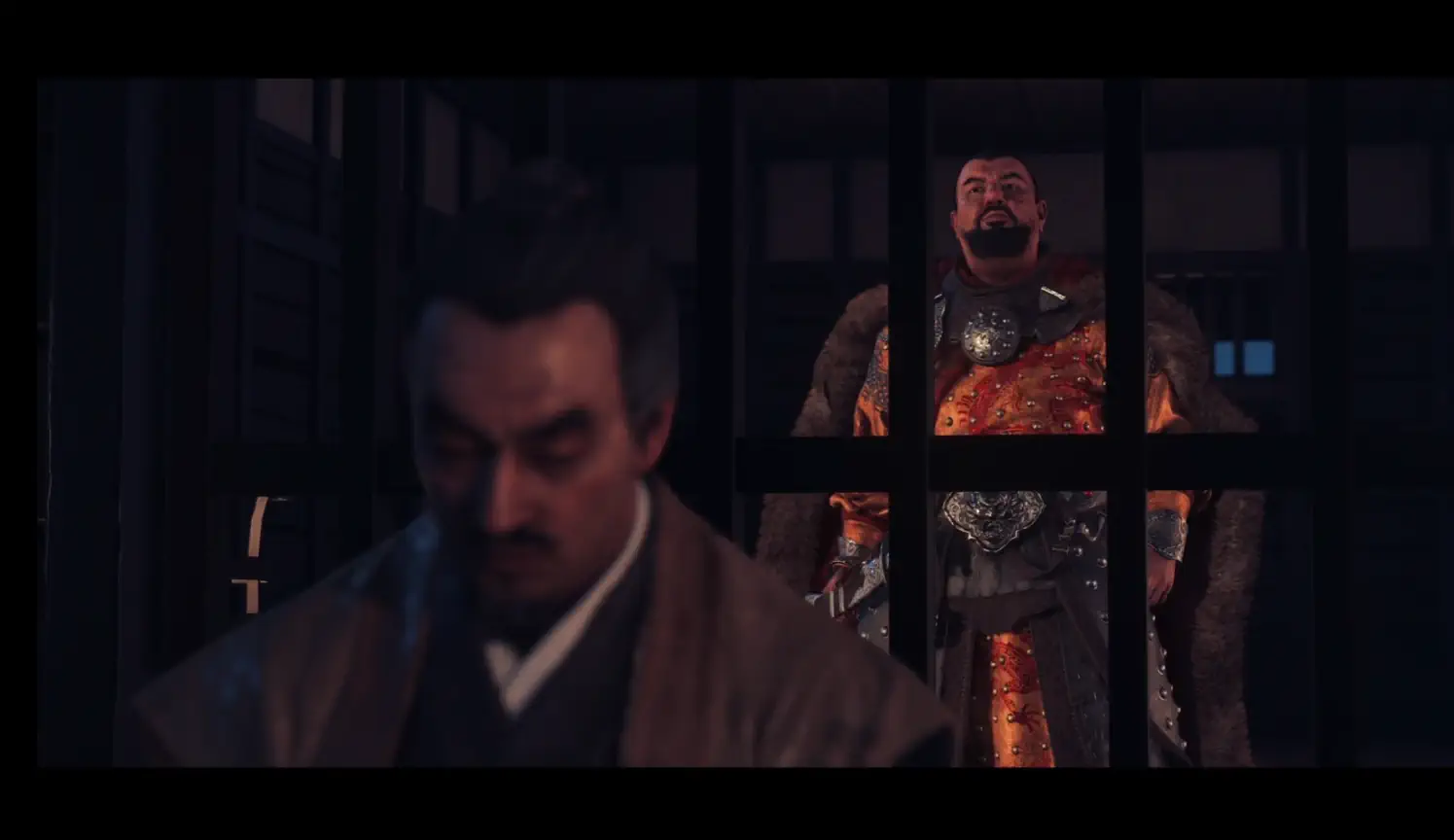
Lord Shimura and Khotun Khan, the leaders created for the fiction
So yes, the setting is historically grounded, but the story is romanticized for narrative and emotional impact.
That’s part of what makes it so engaging, and pedagogically rich. You can talk about feudal values, nature, and survival while staying in an immersive, semi-historical environment.
🎯 Final Verdict
So, can you really learn French through Ghost of Tsushima?
Absolutely.
It’s rich in vocabulary, clear in pronunciation, and full of emotional stories that make the language memorable.
You’ll pick up materials, geography, and many different words through authentic contexts and the French voice acting makes it a great listening resource.
If you’re around B1 level, this game is a fantastic choice to combine learning and pleasure. To be honest, I am still a learning a few words here and there from my C1 English in my own playthrough.
And if you want to take it a step further, join me on Twitch, where we explore games like this live and practice French together in real time.
See you there, and may the wind guide your learning. 🌬️